
 Reporter Name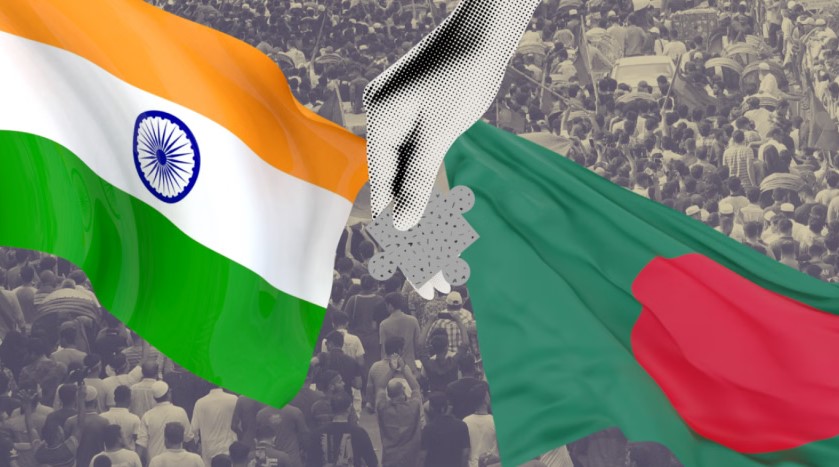
Bangladesh and India have once again engaged in a verbal exchange of “he said, she said”. Last Wednesday, Bangladesh’s Foreign Affairs Adviser Touhid Hossain fired the latest round in response to Indian Foreign Secretary Vikram Misri’s comment on Bangladesh’s upcoming national election, characterising it as “completely unwarranted.”
Does this recent burst of comments and counter-comments indicate that things will heat up once again as the election approaches? The Indian foreign secretary, on October 6, said, “…India is firmly in favour of free, fair, inclusive and participatory elections in Bangladesh…” Such a remark is ironic and hypocritical, since India had remained silent on the state of democracy in Bangladesh for the 15 and a half years of uninterrupted Awami League rule, during which three questionable elections were held.
While the motive behind such remarks should be scrutinised, it is also necessary to take a fresh look at India’s trade, economic, and diplomatic relationship with Bangladesh. In fact, this has become a vital component of the agenda for all political parties in the run-up to the elections. Leaders of the July uprising, who have been instrumental in creating a national consensus to reassert our identity, have been driving this objective domestically. Now, even the average man on the street notices the priority steering away from the “servile” perception that critics often attributed to the previous administration.